Wednesday, 14 December 2011

Evaluation


In this process of putting everything together to help make a film poster, I’ve been through some rough times. Like obviously taking the photographs and trying to make them into the best quality as possible trying to find out how to use different tools on Photoshop, such as the magic wond tool and the erase button also to gather research about different Film Noir posters and try to gather as much information about this certain type of genre. Film Noir, films/posters are normally dark, spooky, and very mysterious and give you the impression that something’s going to happen. Usually Film Noir posters have the “fenfertal” which is the main women normally dressed slutty and basically giving everybody the impression she means business and she won’t be messed with. After being from the photo shoot, we had to loud the images onto photo shop and change different things about them to give them the film noir feeling. I put layer on top of layer, the original image with colour went on the button so where I put another layer of another image even if it was the exact same, if I was to rub out curtains parts of the image on top, it would come out with the colour Like I did on cyan’s lips where everything else is still black and white and her lips stand out the most. Also I got smoke image from the internet and put it at the end of the gun that’s being held by Cyan, so it gives that feeling stuff is going to go down, and she doesn’t care what the consequences are. Also instead of just having a normal black and white poster, I decided to give it more of a Noir feeling but tinting it to a bit of blue so then it make’s it more film noir, instead of the boring black and white feeling… The research I gathered for different film noir posters are that they came out around the 1940’s to like the 1950’s and basically all of the posters had someone that has a “slutty” kind of person and make’s you feel afraid, and also you have the old “America guy” wearing the suit basically looking the part and like you know he’s up to know good. I also got text from the internet saying the name of our film “The Exchange” Instead of using boring and normal text, I decided to use this one as it’s more effective and brings you’re attention to it as it’s bold, white and very large. Where the other more normal and basic text isn’t it’s kind of boring and not that eye grabbing where the other font grabs you’re attention and brings you towards it. I feel as if I could have improved with some of the photo shop skills because I didn’t really use different and out ranges tools, I just stuck to the basics which kind of gave me a basic feeling towards the film poster as it wasn’t to complex. Also I could have used different text styles instead of using the same one on both posters and could have used different ways and techniques to bring attention to the view.

Wednesday, 7 December 2011


This is prefered final film noir poster. My main target audience for this film poster is dedicated film noir fans and people who like this sperfic gender of movie. To help creature this image I used different layers to help increase this effect. EG i put the orginial in colour poster behide the one in black and white so where i rubbed out certain parts of the film poster on black and white the colour would come thru to give it that massive effect, I also changed the colour with the poster instead of having it in black and white I changed it to abit of blue so it gives that more of a Film Noir feeling. The lighting within the image helps aswell because it make's it more scary, and spooky so that really did help. Also the gun with the smoke comes out gives you that message thru the body lanuage that is being used something is going to happen, and the gun is going to be used. I gathered the smoke from the interenet and put it in at the end of the gun, i used the transform tools to help me change everything and I also used the magic wond to help me erase unwanted images that wasn't needed for this poster.
This is my second film noir design for my poster. I tried to keep the same features with this one aswell but as i did on the other one i put a layer behide one so where I rubbed it out i would be able to get the colour of the lighter flame which make's the same effect as the other one. I tried to use the same black and white theme to keep it to the film noir group, i edited the contrast to make it more sharp and effective this work, but not aswell well as the other one as the lightening was more effect and better on the other one but I still like this image as the flame jumps and stands out from everything else.

Monday, 5 December 2011

Here are some of the references and links where I gathered certain parts of my information for the quick talk about different photos and the film posters


http://www.pixiq.com/article/top-10-movies-about-photographers
http://impawards.com/links/forums.html
This one is for all the photojournalist out there. Nick Nolte gives a great performance in this political thriller. It’s romantic and filled with ethical dilemmas when the correspondents start taking sides. Timeless lessons to be learned here. Quotable line “In 20 years we shall see who is right.” Nick done some of the photography for the film "Tropic thunder" he doesn't tend to work in the same way as Tony. Because Nick like's to use normal basic photos, but change the lighting around on say photoshop or his SLR CAMEMA to give it more of an effect. I admire both of these photographers as some of the work they have produced is very good, and is brilliant quality. It does to show that not all photographers have the same 'thinking cap' and have more of an advantages way of taking photos.
A photographer called,Toby Stephens becomes obsessed with trying to disprove the “true sightings” of fairies in this wonderfully directed movie. The musical score is nothing short of brilliant which perfectly compliments the complexities in this movie. It’s about life, love, faith… The film was released in 1997. Tony like's to have allusions in some of his pictures and not just be the normal photographer you see, he tends to make things a little more complicated and make's the person looking at the photo use there brains and think about things instead of just looking at the picture and knowing exact;y what it is straight away. Using this effect is brilliant I have seen posters myself and I personally take greater interest in looking at different photos and using my brain to figure out exactly what they are.

Friday, 25 November 2011

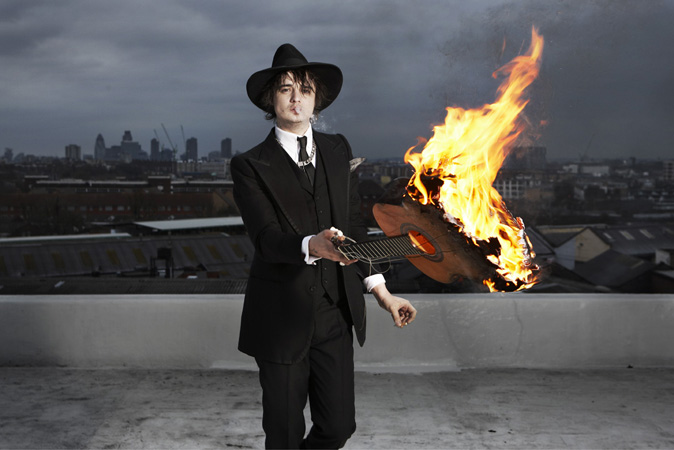
  • Pete Doherty


  • Jude Edginton was born in Islington, London in 1969 and now lives in Hackney.

    Jude won Magazine Photographer of the year in 2005, which led to an exhibition of his celebrity portraits, sponsored by Sony Playstation.

    In 2008 Caollaboration with adidas produced a portrait project of the Beijing Olympics British team. This resulted in a summer exhibition outside Tate Modern, a version of which then toured the
    country.

    Latest shoots include Pete Doherty burning guitars on a London roof top and Leona Lewis at home in the streets of Hackney.

    Jude is currently involved in a long-term commission photographing radio presenters for the rebrand of BBC Radio. His reportage work has encompassed horse racing in Iran, air guitar in Finland, Moscow nightlife, football adventures in Mexico, the Burning Man festival and San Francisco's female fire fighters.

    This film poster is brilliant, it's not you're normal kind of film poster. It's definitely an allusion and makes you think about the film, Which i really like. I love how the flower petals have like blended out of the women so it's fantastic aswell the slogon 'the story of the murder' make's you almost know what's happening it's abit weird aswell. Because you think it's going to be abit romance but the slogon tells you different so you know it's going to be a great twist within the film. I really do like this photo the lightening on the photo is good aswell because one side of her body is darker than the other, You cannot see the women's face but you can make out her facial features. I really do like this photo, The photographer is brilliant with the way it's lite. Also the animation with the flower is good aswell
  • Jan Brabec


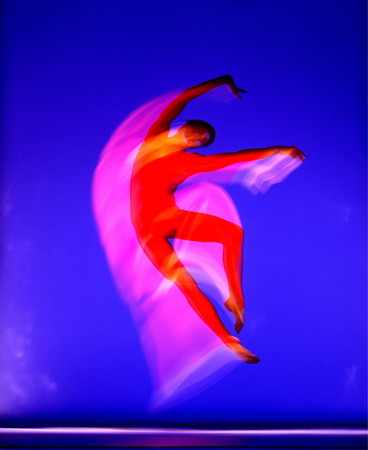
  •  Anthony Crickmay, born 1937. His first photographic job was as assistant to the studio photographer Lotte Meitner-Graf. In 1958 he set up his own studio and quickly built an international reputation as a photographer of theatre, opera and particularly dance. His many sitters include members of The Royal Family. He photographed The Queen for her Golden Jubilee and undertook several sittings with The Queen Mother, Princess Margaret and Princess Michael over the years.

    Crickmay's work is also found in the V&A and National Portrait Collections and at the Theatre Museum. He has published several books on dancers and dance he's a very imaginactive photographer and likes to use lighting to givehis photos more of an effect instead of simple and boring photos, as he would say
  • Eva Birthistle


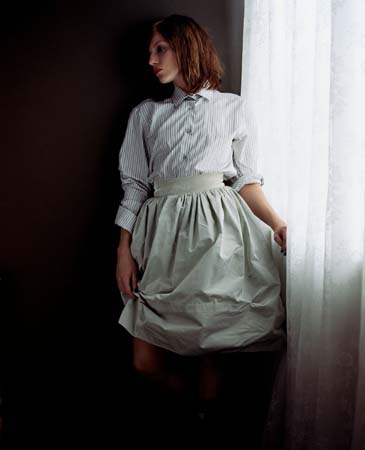
  • Roger Rich unearthed his passion for fashion photography whilst shooting pictures backstage at numerous fashion shows in the mid 90’s and has been working steadily and increasingly upping his game ever since. As a contributing Photographer at GQ for the last 6 years Roger’s name & profile has risen accordingly

    Roger’s portrait work has been building up over the years too, and he now boasts a portfolio that includes James McEvoy, Christian Slater and JLS among others. He finds the one-on-one sessions are a refreshing change from the fashion world and loves to get something really intimate and special out of each person he has the opportunity to photograph.
     

    Wednesday, 9 November 2011

  • Robert Lindsay  Mark Harrison

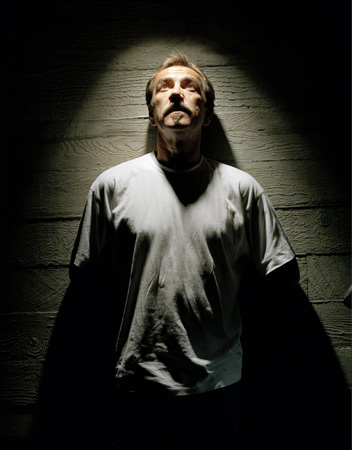
  • Mark Harrison graduated from the University for the Creative Arts, Farnham, in 1987 with a degree in Photography. After a short stint assisting, Mark threw himself into the world of editorial portraits, starting with Blitz Magazine. Soon Mark was shooting for a raft of international magazines, as he still does today alongside his advertising and corporate work.  Since winning the 2003 Canon/Southbank Photographer of the Year Award, Mark went headlong into the digital world but continued shooting on a variety of camera formats to create a unique style. Noted for his use of lighting and deft handling of large groups of people; Mark's client list includes the Times Magazine, the Radio Times, ACP alongside recent commissions from Grey London.

    In Mark’s extensive portfolio, key shoots include Frank Lampard, Benazir Bhutto, Lewis Hamilton and Al Gore. Marks a very detailed photogegrapher

    Wednesday, 19 October 2011

    Fashion photography is an insidious profession it's used to show people's looks or the clothes they are advertising, this helps sell the brade alot more as they see someone that's a model and it make's them feel as if if they buy this product there going to look exactly the same as the model. This is used alot, it's taken very serious and isn't something that's a joke. Because it helps show the public what's up for sale
    Sport photography has to have a very quick shutter speed to capture all the great details, like sweat ect. This make's the image seem in a better quality and seem's al ot more as it's been focused. This give's the image a huge much of a greater affect.


     There are many different types of photography, There's Fashion, Nature, Landscape, ect.. these types of photography are interesting because it gives you a prospective of everything that you can possibly take photos of it doesn't have to be certain things it can be anything that interest you and takes you're fancy

    Saturday, 8 October 2011

    Stephen Oates is an award winning photographer who does photography with everything, but tends to do alot of nature he taught himself how to do photography and had no professional help. He won the for best best nature photographer in 2008.

    Thursday, 6 October 2011

    Negative and Positive Images


    Positive and negative images are made in the dark room. When you're using you're pinhole camera, with you're photographic paper inside. You take the photographic paper out you're pinhole camera and place into the chemicals to create you're image. The image will come out as a Negative image at first. You need to scan it onto you're computer by using the printers. Also you have to send it too yourself so you can open it up in photo-shop to edit it into a Positive image. Positive and Negative images are good because it give's you the chance to see what both side's of the photograph look like, The Positive image looks a lot better and you can see much more detail than you're negative one. If you're not 100% what a positive image looks like go belong and look at the one I done in the dark room myself. The effects by doing a negative and positive image are brilliant, Much better than using a digital camera because you get to see everything as the way it is without needing to edit it. I would strongly advice someone to go and do this for themselves, It's a lot of fun and you will definitely enjoy it  

    Wednesday, 5 October 2011

    To measure you're focal length you need to measure the diameter of you're pinhole camera in MM this will give you you're measurements. An example I will use to show you how to do it will be. Say you have a Pringle's tin F-STOP = F.90 the F-STOP will be 72/0.8. You have to combined  the f.stop (F-90) the film speed (6ASA) to calculate the shutter speed and (exposure time in seconds or minutes) This will give you you're own measurements for how long you open you're shutter on you're pinhole camera to capture the image correctly
    Patrick Smith is one of the photographers I've picked, he was born in San Franciso & spent most of his life hiking in the mountains and coastline of Californa. He father was a photographer aswell who worked in the dark-rooms, who also lived in San Franciso. Patrick didn't jumped straight into photography when he left College he went on to working on the Pacific Stock exchange for a couple of years then he decided it wasn't something he took great intrest in and decided to go onto computer database and he's done it for years, But then decided being a photographer as he's final profession. 
    Evaulation

    I found working in the work-station extremely fun and it gave me a full on experience what photography was like, by using the dark room. Making the pinhole camera helped me understand you didn't actually need to use a digital camera to take a photograph. You can basically make a photo out of anything as longaa as you have photographic paper inside you're pinhole camera, I began to get lost when I was in the dark room with chemicals because i wasn't actually sure the order it had to go in, But when Tim explained it to all the students it was a very easy thing to pick up and understand it just takes a little of attention. It's abit dissapointing when you find out that one of you're images didn't come out as planned but then what photographer get's a brilliant and perfect picture first time round. It's something i would considering going into the future because it's a fun experience and doesnt seem to be a job, It's more enjoyable when youre doing something you enjoy you just need to be careful you do not contaminate the chemcials because then it can be abit dangerous.

    Tuesday, 4 October 2011

    Positive and Negative Images


    Negative images can be made though you're pinhole camera. You have the photographic paper inside you're pinhole camera, and when the light go though's the small pin hole the light travels, upside down and on the opposite side to horizontal when you have captured the image you take it into the dark room to produce it, You have to put the photographic paper in 3 different chemicals for the image to show on you're paper. The chemicals will produce you're image to a Negative image you need, to go onto photo-shop before uploading it to you're blog so it can become a positive image. The way it affected the way the students images came out because it obviously wasn't a digital image it had to be done through the dark room, You have to get more hands on to produce you're photograph instead of just putting it on you're computer. This gives the students a more hands on experience with cameras and also get to experience the dark room.

    Wednesday, 28 September 2011

    A pinhole camera is a simple camera without a lens and with a single small aperture effectively a light-proof box with a small hole in one side. Light from a scene passes through this single point and projects an inverted image on the opposite side of the box. The human eye in bright light acts similarly, as do cameras using small apertures. You can create a pinhole camera from anything and everything from.. a pringles tin, from a cardboard box. The quality of the camera isn't like a Nikon SLR, but the image that the pinhole camera produces is extremely different and has a very good effect.

    Image 1

    Level 2 Creative Media Proudction, Health and Safety

    Health and Safety - Oshot and the Dark room


    No for or drink - Incase of spillage and slipping over the liquid and it can also transfer chemicals from you're food/drink, onto the photographic paper.
    No mobile phones - You're mobile phones have a white light and if somebody get's it out in the dark room there is the possiblity that someone's work could be ruined yours and others work
    Using the revoling door - You need to use this so you cannot let light into the dark room, as the light will ruin everybodies work.
    Don't wear anything too nice - Do not wear any designer stuff because incase the chemicals get onto you're floors then it may cause some serious damger to you're nice clothes
    Not to bring you're bags and coats into the dark room - Don't bring you're stuff into the dark room incase somebody trips over and hurts themself
    Let you're eyes adjust - let them adjust to the light before starting work straight away as then you'llbe able to see things alot better